Skip to content
I often see buyers feel stuck when two quotes look close. The risk grows when the cheaper quote hides real project limits.
Custom peptide synthesis cost depends on sequence difficulty, order quantity, modifications, delivery terms, testing scope, packaging, destination, and project risk.1 I do not judge a quote by price per mg alone. I compare what the supplier includes, what the peptide needs, and what risk the buyer accepts.

I review custom peptide inquiries every week. I see researchers, company purchasers, and project managers ask a simple question: “How much per mg?” I understand why they ask it. A budget needs a number. A purchase form needs a number. A project manager needs a number before the next meeting. But I also see why that number can mislead. Two peptides with the same length can need very different work.2 Two suppliers can quote the same peptide with very different service conditions. If I only compare the lowest unit price, I may miss the real cost that appears later.
Why Can Two Peptides With the Same Length Have Different Costs?
I see confusion when two peptides both have 20 amino acids, but one costs much more. The buyer feels the quote is unfair.
A peptide with the same length can cost more when the sequence is harder to synthesize, purify, handle, or deliver. Hydrophobicity, aggregation, modifications, cyclization, terminal protection, expected yield, and material loss can all change the real work behind the quote.3
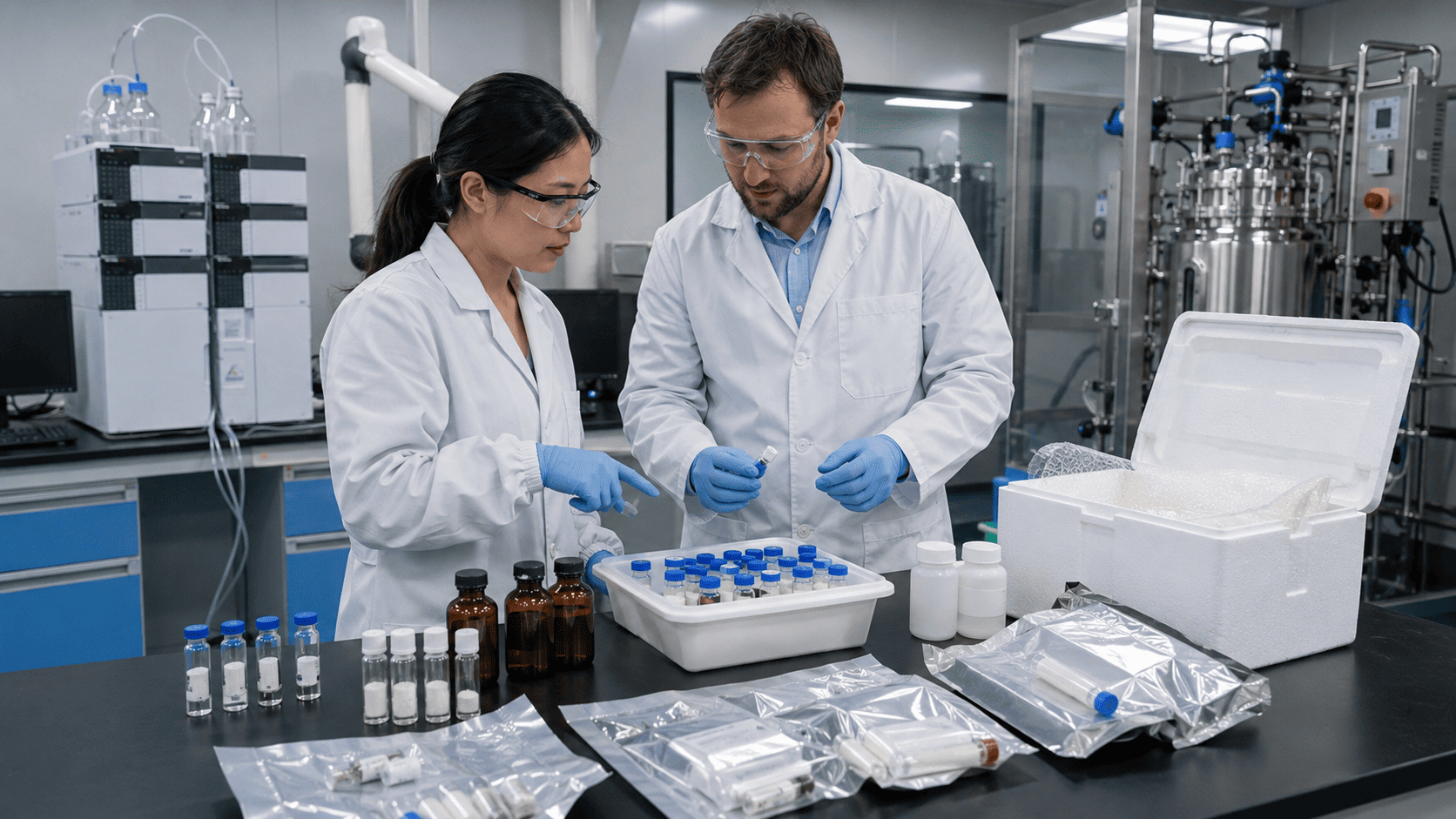
I do not treat amino acid count as the full story. I treat it as the starting point. A short peptide can still be difficult. A longer peptide can be smooth if the sequence behaves well.4 In real quotation work, I first look at whether the peptide may create low yield, poor solubility, or handling loss. I also look at whether the request includes special changes, such as N-terminal acetylation, C-terminal amidation, labeling, disulfide bridge formation, or cyclization. Each part can add time, materials, and risk.5
What I Usually Check Before I Treat A Sequence As Simple?
| Factor I Check | Why It Can Affect Cost | What I Ask The Buyer To Confirm |
|---|---|---|
| Hydrophobic residues | The peptide may be harder to dissolve or purify | I ask about use stage and solvent needs |
| Aggregation tendency | The peptide may clump during handling | I ask if past synthesis had issues |
| Modification type | Extra steps may increase time and loss | I ask for exact modification position |
| Cyclization or bridge | The route may need more control | I ask for structure details |
| Target quantity | Larger scale may not scale smoothly | I ask for current and future demand |
I once handled an inquiry where two sequences had almost the same length. The customer expected similar pricing. One sequence was plain and behaved well. The other had a difficult modification and a higher loss risk. The cost difference was not from length. It was from the work needed to reach the final deliverable. I told the customer that I could not remove that risk by using a simple unit price. I could only explain it clearly before the order.
Why Is Price Per Mg Not Enough For Quote Comparison?
I often receive screenshots of quotes from different suppliers. The buyer circles the lowest price and asks me to match it.
Price per mg is not enough because quotes may include different delivery timelines, test documents, packaging, shipping terms, destination costs, and service boundaries.6 I compare the full quote scope before I compare the unit price.
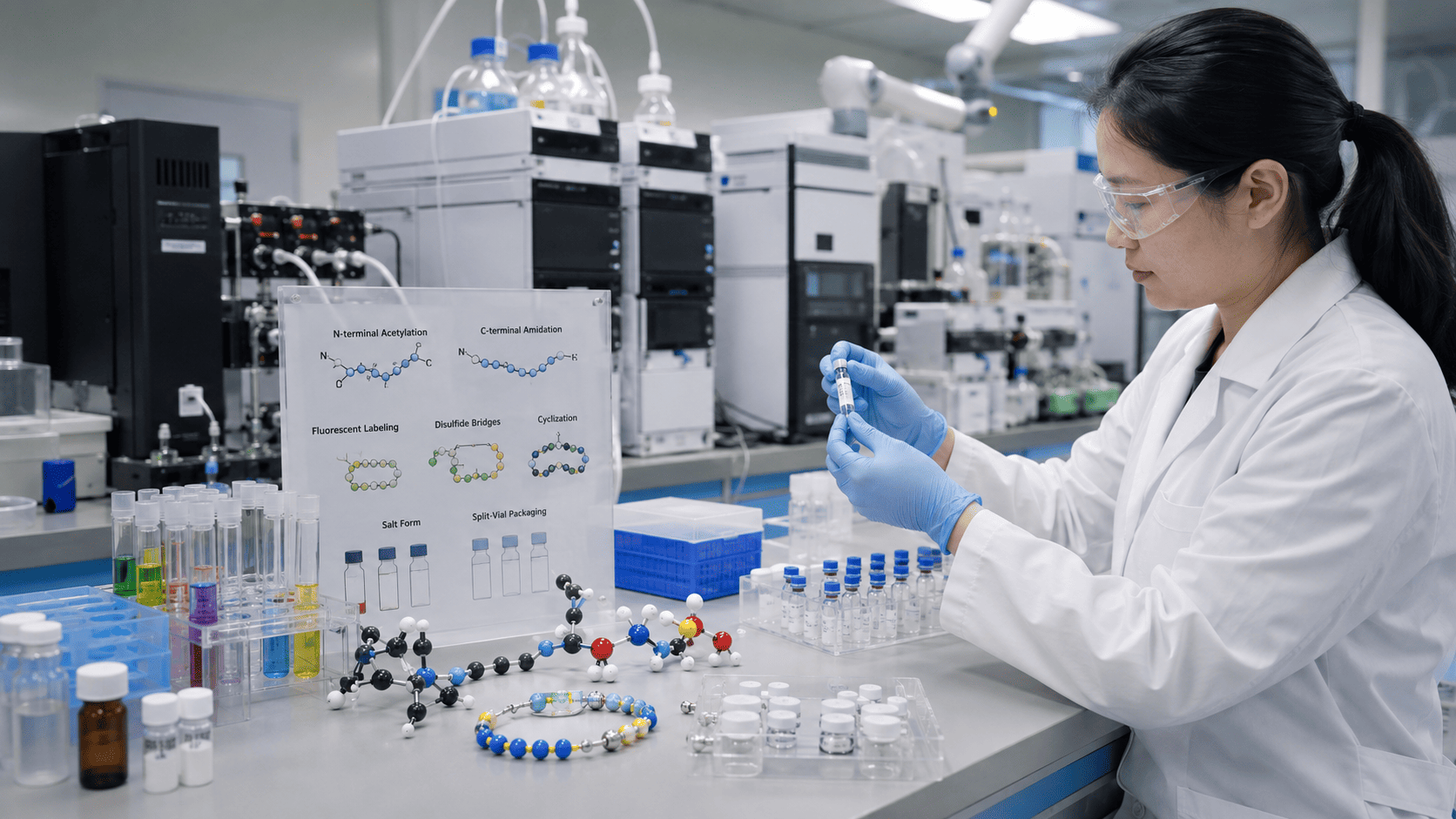
I do not blame buyers for comparing price per mg. It is the easiest number to compare. But I see problems when the quote lines are not equal. One supplier may include standard documentation. Another may charge it later. One supplier may quote a longer lead time. Another may price for faster handling. One supplier may include basic packaging. Another may treat special packaging as an extra cost. These differences matter when the peptide is part of a grant, pilot study, company project, or product development plan.
What I Compare Before I Say One Quote Is Cheaper?
| Quote Item | Why I Check It | Risk If I Ignore It |
|---|---|---|
| Lead time | A faster job may need more resources | The project may miss the planned date |
| Testing scope | Documents may not be the same | The internal review may reject the order |
| Packaging | Vial size and format may affect use | The team may need repackaging |
| Shipping terms | Destination and customs may matter | The final landed cost may rise |
| Service boundary | Support and revisions may differ | The buyer may pay again for unclear needs |
I remember an anonymous case from a company purchaser. The customer chose a lower price per mg from another supplier. Later, the team found that the quote did not include the same delivery condition and document package they expected. The first price looked better. The total project path became less smooth. I did not see that case as a reason to criticize another supplier. I saw it as a lesson. I now ask buyers to compare quote scope line by line. A cheap quote is useful only when I know what it includes and what it does not include.
How Does Order Quantity Change Custom Peptide Synthesis Cost?
I see buyers expect that a larger order will always bring a simple discount. That idea can fail when scale changes peptide behavior.
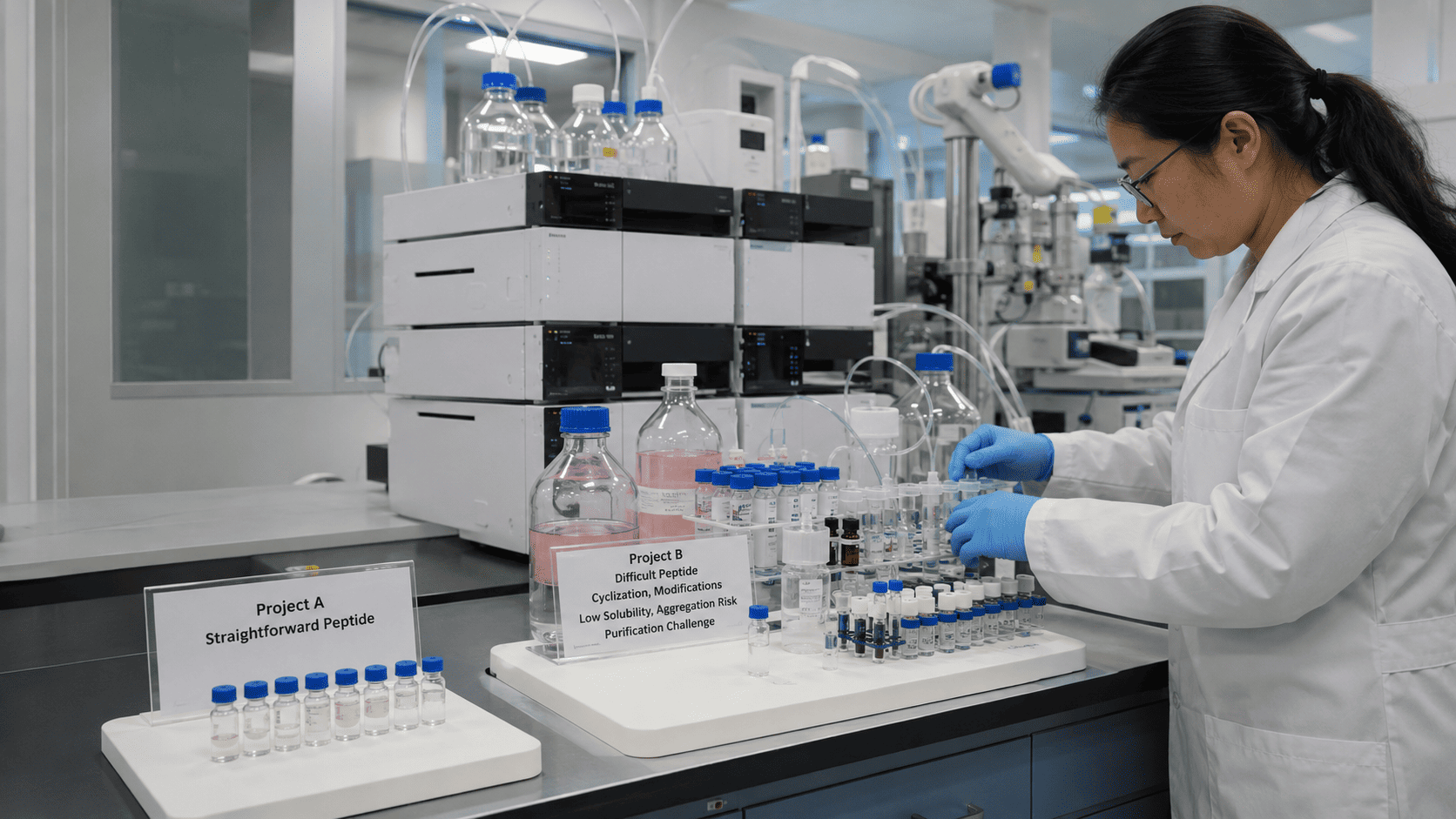
Order quantity affects cost, but it does not always reduce cost in a straight line.7 Scale-up can change yield, loss, stability, purification effort, packaging time, and batch consistency.8 I avoid using a small-sample price to predict a large-order price without review.
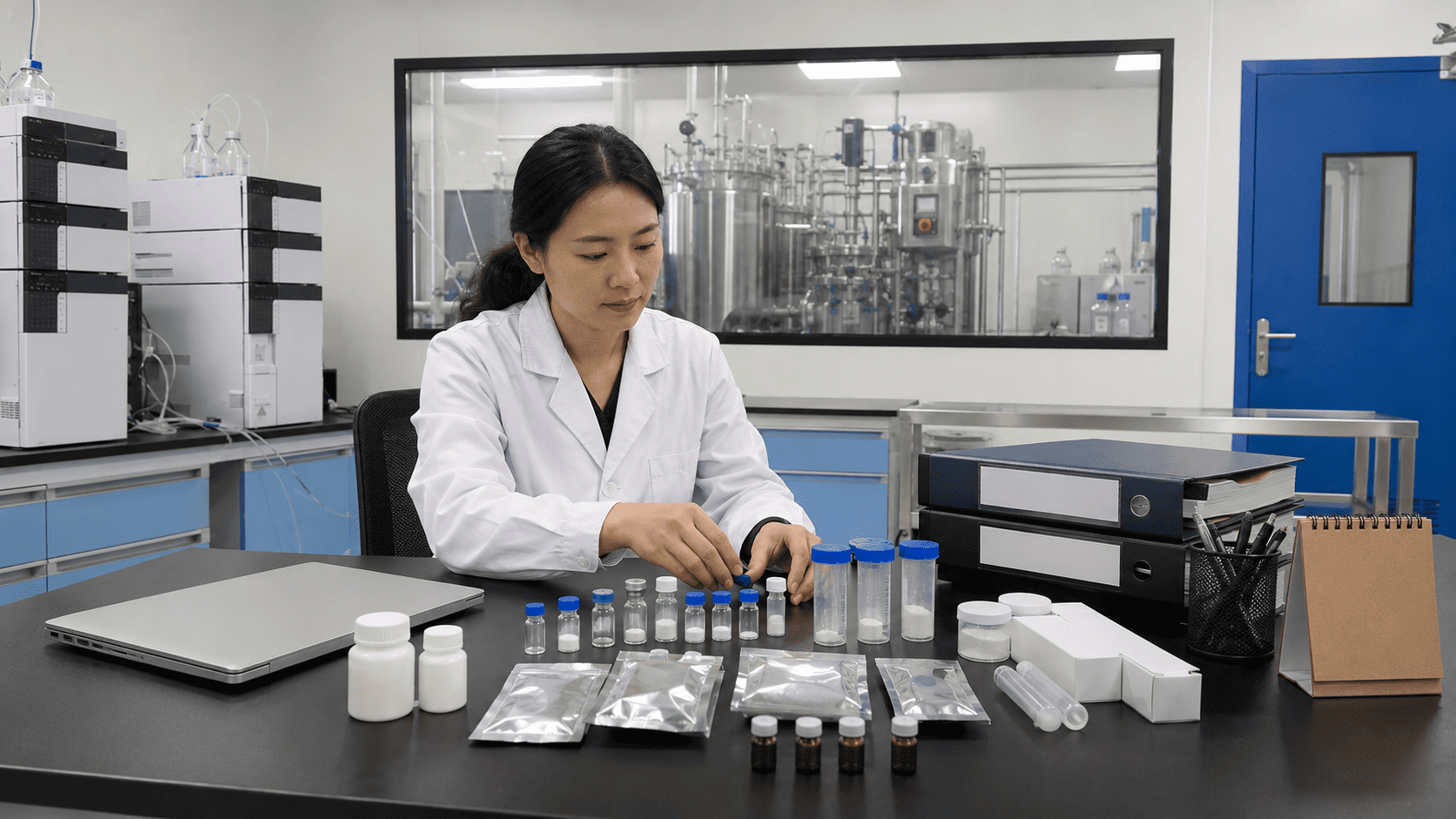
I understand why buyers expect a lower unit price at higher quantity. In many products, larger quantity spreads the setup cost. Custom peptide synthesis can also have this effect in some cases. But I have learned not to make a promise before evaluating the sequence and target scale. A peptide that works well at a small amount may create new loss at a larger scale.9 A purification step may take longer. Stability during handling may need more care. Packaging may also become more detailed when the buyer needs many small vials instead of one bulk vial.
How I Think About Small Quantity And Larger Quantity?
| Quantity Situation | What May Happen | What I Ask Before Quoting |
|---|---|---|
| Small trial amount | Setup cost may be a large part | I ask if this is screening or first test |
| Medium research amount | Process may be more predictable | I ask about purity and delivery needs |
| Larger batch | Yield and loss may change | I ask about batch size and storage plan |
| Many vials | Packaging labor may rise | I ask for vial count and fill amount |
| Future scale-up | The route may need planning | I ask about expected later demand |
I often tell customers that I can quote the current order and also discuss the next possible step. This helps both sides. The researcher gets the sample needed now. The purchaser also gets a better view of what may happen later. If the project may move from milligram-level research to a larger development batch, I want to know that early. I may not change the first quote greatly, but I can avoid giving a number that looks good today and creates a problem later. For me, quantity is not only a number. It is also a signal of project stage and risk.
How Do Modifications And Special Requirements Affect The Final Quote?
I see many quote delays happen because the sequence looks complete, but the modification details are not clear. Small missing details create real risk.
Modifications and special requirements affect cost because they add steps, materials, handling needs, and review time.10 Terminal protection, labels, cyclization, salt form, vialing, and storage requests can change the final quote and delivery plan.
I always ask buyers to write modifications in a clear way. I prefer exact positions, exact terminal needs, and clear notes about special labels or structures. I do not want to guess. If I guess wrong, the buyer may receive a quote that is fast but not useful. For example, “modified peptide” is not enough. I need to know what modification, where it is, and what final form is needed. The same idea applies to cyclization. A vague request can look simple at first. After review, it may need route design, extra confirmation, and more time.
What Details Help Me Avoid A Wrong Quote?
| Requirement | Clear Input I Prefer | Why It Matters |
|---|---|---|
| Terminal protection | N-acetyl, C-amide, or none | It changes the synthesis request |
| Labeling | Dye type and position | It changes material and process needs |
| Cyclization | Bridge type and location | It affects route and handling |
| Salt form | Requested form if important | It may affect final use and documents |
| Packaging | Bulk vial or split vials | It changes labor and delivery form |
I sometimes receive a sequence copied from a paper. The buyer may assume that the supplier will know the exact final format. I still ask questions. I do this because research papers and purchase requirements are not always written in the same way. A lab team may only need the sequence for an early test. A company team may need packaging and documents that fit an internal process. Both are valid. But they should not be quoted as if they are identical. When the input is clear, the quote becomes more realistic. The buyer also gets a better chance to compare suppliers fairly.
How Do Lead Time, Destination, And Documents Change Cost?
I see buyers focus on synthesis cost, then they discover that delivery, destination, or documents also affect the final budget.
Lead time, destination, and documents can change cost because they affect planning, shipping, packaging, customs support, and order review.11 I include these items in quote comparison because they can affect the final landed cost and project timing.
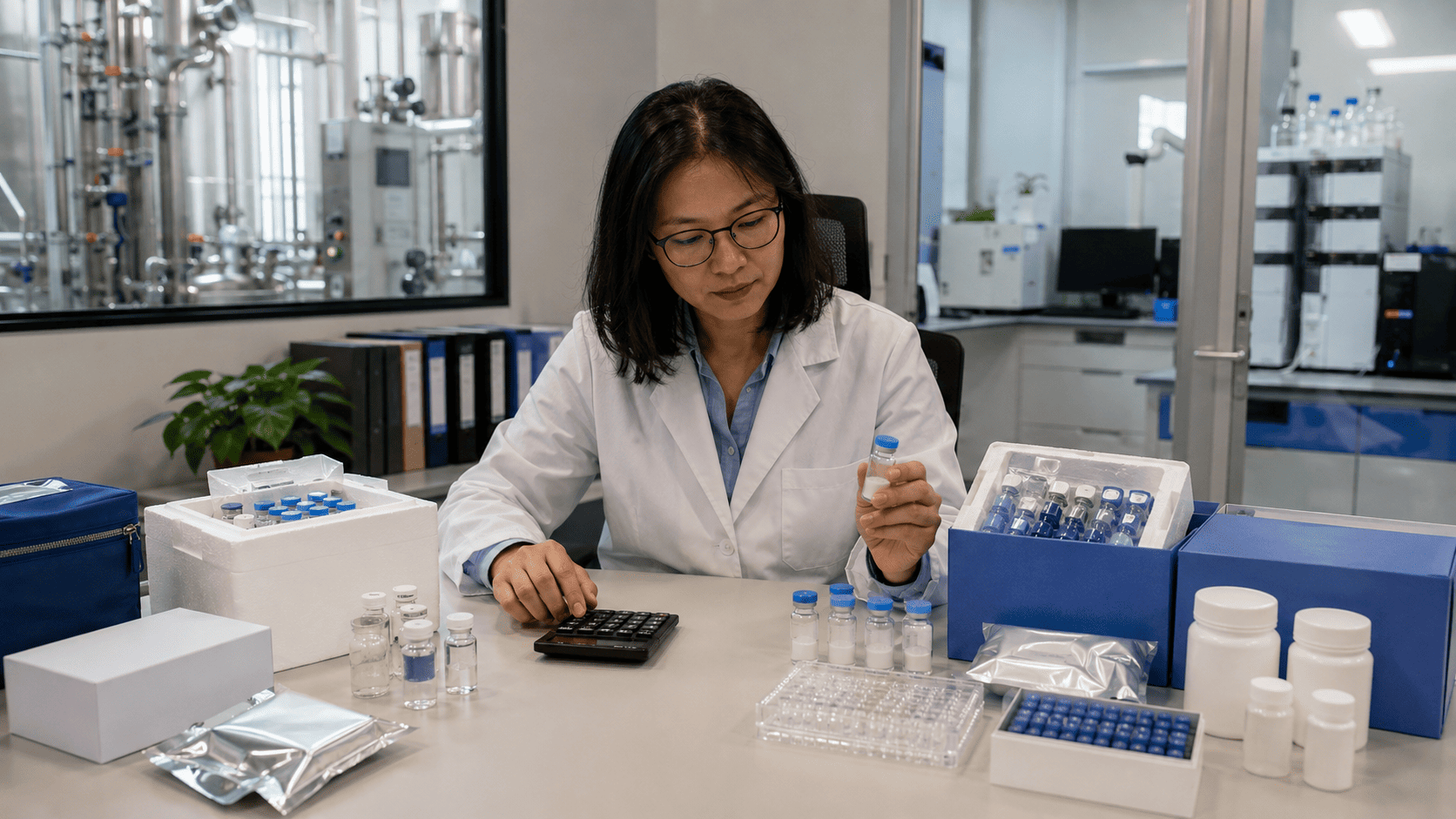
I work with customers in Europe, North America, Australia, and New Zealand. I also talk with buyers who have internal purchasing rules. For them, cost is not only the peptide itself. It also includes whether the order can arrive on time, whether the paperwork fits their process, and whether the packaging is practical for use. I do not overstate document work, but I do ask what the buyer needs. Some customers only need standard order documents. Some need more formal records for internal filing. Some need special invoice or shipping details. These needs should be known before the quote is treated as final.
What Non-Sequence Items Can Change The Real Cost?
| Item | Why It Matters | What I Ask The Buyer |
|---|---|---|
| Expected lead time | Urgent jobs may need faster planning | I ask for the real deadline |
| Destination country | Shipping path and customs may differ | I ask for country and city |
| Packaging format | Bulk or split packaging changes work | I ask how the peptide will be used |
| Document needs | Internal review may need certain files | I ask what the purchasing team requires |
| Storage note | Some peptides need more care | I ask if the team has handling limits |
I have seen projects slow down because the buyer asked about these details after production planning had already started. I prefer to handle them before quotation or at least before order confirmation. This saves time for everyone. If the peptide must support a meeting date, I need to know. If the shipment must go to a university receiving office with strict paperwork, I need to know. If the buyer needs ten vials for ten researchers, I need to know. These details may look small. But in a real project, they decide whether the quote is complete.
What Information Should I Include In A Good Peptide Inquiry?
I see many unclear inquiries become slow quotes. The buyer waits longer, and the supplier asks the same basic questions again.
A good peptide inquiry should include the target sequence, modifications, required quantity, intended use stage, known sequence difficulties, future scale-up plan, expected lead time, destination, packaging needs, and document requirements.12 Better input leads to more comparable and realistic quotes.
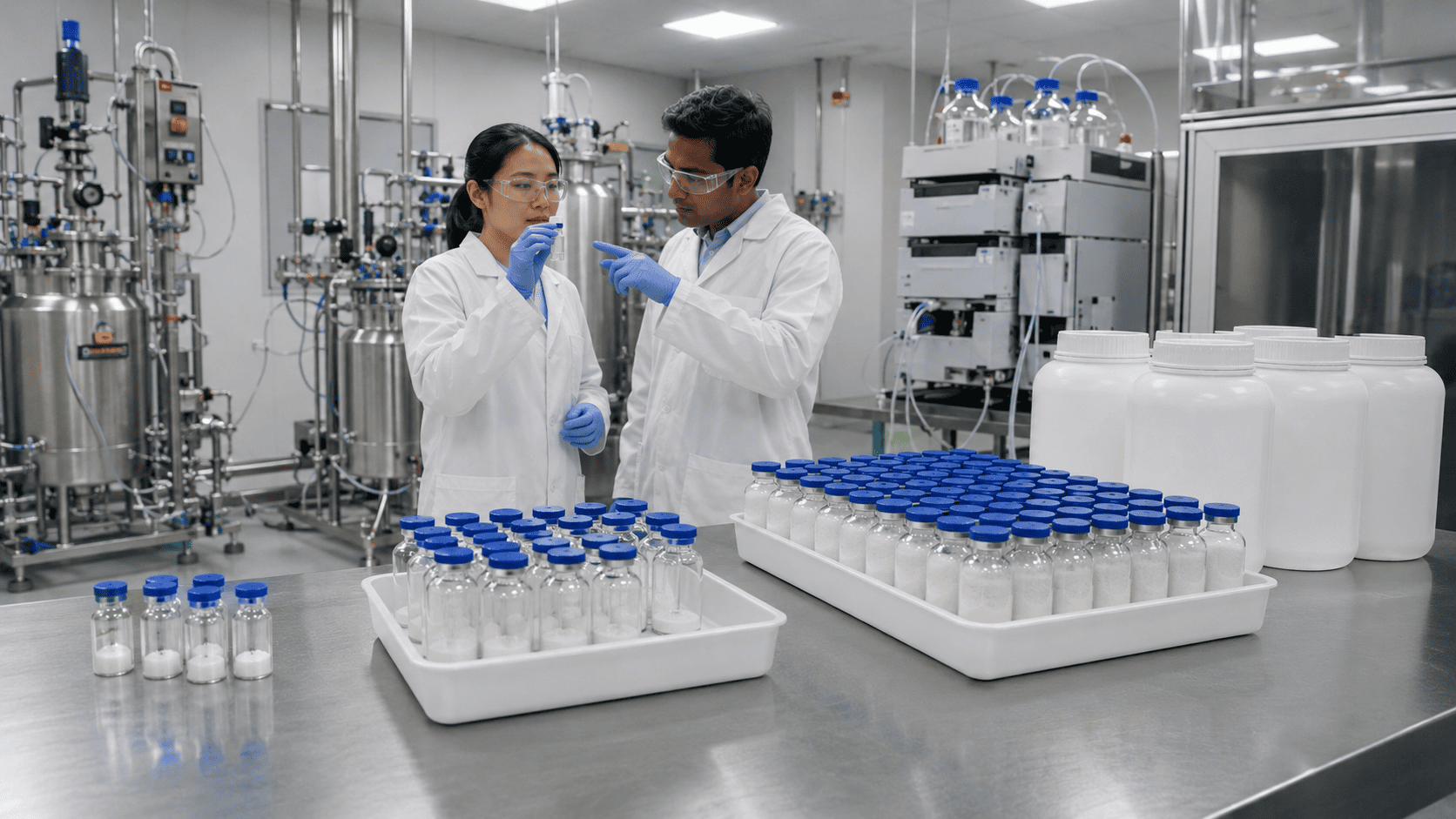
I treat a clear inquiry as the best way to reduce pricing confusion. A good inquiry does not need to be long. It needs to be complete. If the buyer is a researcher, I want to know whether this is for early screening, method setup, or a repeat study. If the buyer is a company purchaser, I want to know the expected purchasing process and whether the quote must include any specific service items. If the buyer is a project manager, I want to know the deadline and whether later scale-up is possible. This information helps me give a quote that matches the real project.
My Simple Inquiry Checklist?
| Information | Example Of Clear Input | Why I Need It |
|---|---|---|
| Sequence | Write the full sequence clearly | I can evaluate difficulty |
| Modification | State position and type | I can avoid wrong assumptions |
| Quantity | Give current amount and possible later amount | I can consider scale risk |
| Use stage | Screening, research, pilot, or repeat order | I can match the service level |
| Lead time | Give the target arrival date | I can check planning reality |
| Destination | Give country and city | I can consider shipping needs |
| Packaging | Bulk vial or split vials | I can quote the final format |
| Documents | State required records if any | I can avoid later gaps |
When I receive this information at the start, I can compare the request with real production and delivery conditions. I can also tell the buyer where the cost pressure may come from. This does not mean the quote will always be lower. It means the quote will be more useful. A realistic quote helps the buyer defend the budget, compare suppliers, and avoid hidden changes. In my experience, the best buying decision is not the lowest number on the first email. It is the quote that fits the sequence, the quantity, the timeline, and the actual project risk.
Conclusion
I compare custom peptide synthesis cost by full project fit, not only price per mg. A clear inquiry helps me quote faster and helps buyers avoid hidden risk.
"Challenges and Achievements of Peptide Synthesis in Aqueous and ...", https://pmc.ncbi.nlm.nih.gov/articles/PMC12135130/. Reviews of peptide synthesis and manufacturing describe peptide production cost as dependent on sequence-dependent synthetic difficulty, modification chemistry, purification and analytical requirements, production scale, and downstream handling, supporting the use of a multi-factor quotation framework rather than a simple mass-based price. Evidence role: general_support; source type: research. Supports: Custom peptide synthesis cost is shaped by technical requirements such as sequence difficulty, modifications, purification, analytics, scale, and logistical specifications.. Scope note: This supports the general cost drivers but does not verify any individual supplier’s pricing formula. ↩
"Optimization of solid-phase synthesis of difficult peptide sequences ...", https://pubmed.ncbi.nlm.nih.gov/17619123/. Peer-reviewed discussions of solid-phase peptide synthesis identify sequence composition, aggregation, hydrophobicity, and protecting-group strategy as factors that can alter coupling efficiency and purification difficulty, supporting the point that peptides of the same length may require different work. Evidence role: mechanism; source type: paper. Supports: Peptide synthesis difficulty depends on sequence-specific properties in addition to chain length.. Scope note: The source would explain the mechanism rather than compare the exact example peptides in the article. ↩
"Challenges and Perspectives in Chemical Synthesis of Highly ...", https://pmc.ncbi.nlm.nih.gov/articles/PMC7064641/. Peptide synthesis reviews report that hydrophobic or aggregating sequences can reduce coupling and purification performance, while modifications, cyclization, and terminal protection add chemical steps that can affect yield and recovery, supporting these factors as technical drivers of synthesis effort. Evidence role: mechanism; source type: paper. Supports: Hydrophobicity, aggregation, chemical modifications, cyclization, terminal protection, yield, and material loss can increase synthesis and purification complexity.. Scope note: The evidence supports the technical basis for added work, not the monetary size of any surcharge. ↩
"Amino acid composition drives aggregation during peptide synthesis", https://pmc.ncbi.nlm.nih.gov/articles/PMC13061631/. The peptide synthesis literature treats chain length as only one determinant of synthetic difficulty and emphasizes sequence-dependent aggregation, solubility, and coupling efficiency, supporting the claim that a shorter peptide can be difficult while a longer, well-behaved sequence may be more straightforward. Evidence role: expert_consensus; source type: paper. Supports: Sequence behavior can outweigh length as a determinant of peptide synthesis difficulty.. Scope note: The source provides general expert context and does not establish a universal rule for every short or long peptide. ↩
"Review on Extraction, Modification, and Synthesis of Natural ... - PMC", https://pmc.ncbi.nlm.nih.gov/articles/PMC9863410/. Reviews of modified peptide synthesis describe terminal acetylation or amidation, labels, disulfide formation, and cyclization as operations requiring specific reagents, reaction control, purification, and analytical confirmation, supporting the claim that such features can add time, materials, and technical risk. Evidence role: mechanism; source type: paper. Supports: Common peptide modifications and structural constraints require additional synthetic or post-synthetic operations and may affect yield or verification.. Scope note: The citation would support the mechanism of added work, not a fixed increment in lead time or cost. ↩
"Public procurement - OECD", https://www.oecd.org/en/topics/policy-issues/public-procurement.html. Public procurement guidance on total cost of ownership states that purchasing decisions should consider costs and obligations beyond the purchase price, including delivery, documentation, logistics, and service conditions, supporting the article’s warning that price per milligram alone may not make two quotes comparable. Evidence role: general_support; source type: government. Supports: Procurement comparisons should consider total cost and contract scope, not only unit price.. Scope note: The source would provide general procurement support rather than peptide-specific quotation data. ↩
"Greening the synthesis of peptide therapeutics: an industrial ...", https://pmc.ncbi.nlm.nih.gov/articles/PMC9057961/. Peptide manufacturing literature describes scale-up as involving changes in resin loading, coupling efficiency, purification capacity, solvent use, and product recovery, supporting the conclusion that larger order quantity does not guarantee a linear reduction in unit cost. Evidence role: general_support; source type: paper. Supports: Peptide scale-up can introduce process changes that prevent unit cost from decreasing linearly with quantity.. Scope note: The evidence supports the general scale-up principle, not the exact pricing curve for any supplier. ↩
"A Rapid Manual Solid Phase Peptide Synthesis Method for High ...", https://pmc.ncbi.nlm.nih.gov/articles/PMC12129042/. Research and review literature on peptide process development notes that scale-up can alter reaction efficiency, purification load, product recovery, stability control, and batch reproducibility, supporting the article’s claim that quantity changes can affect both production and delivery work. Evidence role: mechanism; source type: research. Supports: Peptide scale-up can change process yield, purification performance, product stability, handling losses, packaging needs, and batch-to-batch consistency.. Scope note: The source would substantiate the categories of scale-up risk but not quantify packaging time for the article’s specific scenarios. ↩
"Challenges and Achievements of Peptide Synthesis in Aqueous and ...", https://pmc.ncbi.nlm.nih.gov/articles/PMC12135130/. Peer-reviewed peptide process-development sources report that transferring a peptide from small-scale synthesis to larger production can change recovery because reaction efficiency, cleavage, purification loading, solubility, and handling losses do not always scale proportionally. Evidence role: mechanism; source type: paper. Supports: Scale-up may change peptide recovery and loss through synthesis, cleavage, purification, or handling steps.. Scope note: This supports the plausibility of new losses at larger scale but does not prove that every peptide will show them. ↩
"Introduction to Peptide Synthesis - PMC - NIH", https://pmc.ncbi.nlm.nih.gov/articles/PMC3564544/. Reviews of peptide modification chemistry describe added reagents, protecting-group choices, post-synthetic reactions, purification demands, and analytical confirmation for modified peptides, supporting the claim that special requirements can increase process work and associated cost. Evidence role: mechanism; source type: paper. Supports: Modified peptides often require additional reagents, synthetic operations, purification, handling controls, and analytical review compared with unmodified peptides.. Scope note: The citation would support the technical rationale for higher cost, not a specific commercial price. ↩
"Common Export Documents - International Trade Administration", https://www.trade.gov/common-export-documents. Government customs guidance explains that import clearance depends on shipment documentation, commodity details, destination rules, duties or taxes, and carrier or broker processes, supporting the article’s point that destination and paperwork can affect final landed cost and project timing. Evidence role: general_support; source type: government. Supports: Shipping destination, customs documentation, and delivery requirements can affect landed cost, clearance time, and administrative burden.. Scope note: The source supports logistics and customs effects generally, not peptide-specific shipping fees. ↩
"Introduction to Peptide Synthesis - PMC - NIH", https://pmc.ncbi.nlm.nih.gov/articles/PMC3564544/. University and research-core guidance for peptide synthesis requests commonly asks users to provide the full sequence, modification details, quantity, purity or analytical needs, delivery information, and special handling requirements, supporting the article’s checklist for a complete inquiry. Evidence role: general_support; source type: education. Supports: Accurate technical and logistical specifications help suppliers evaluate peptide synthesis requests and prepare comparable quotations.. Scope note: The source would validate the information categories but may not include every business item, such as future scale-up plans, in the same list. ↩